
Emergency Dentistry Doral FL: Where Can You Get Fast Help for a Dental Emergency?
Dental emergencies can happen when you least expect them. Whether it’s a severe toothache that wakes you up at night, a broken tooth during a meal, or a sudden injury while playing sports, knowing where to find Emergency Dentistry Doral FL services can make all the difference in protecting your oral health and relieving pain quickly.
Many people are unsure whether their dental problem requires immediate attention or if it can wait for a regular appointment. Understanding the signs of a true dental emergency, available treatment options, and what to do before reaching a dental office can help you make informed decisions during stressful situations.
If you live in Doral or nearby communities, having access to reliable emergency dental care can help prevent complications, preserve natural teeth, and restore comfort as quickly as possible.
What Qualifies as a Dental Emergency?
One of the most common questions patients ask is whether their situation truly requires emergency treatment.
A dental emergency generally involves severe pain, uncontrolled bleeding, infection, trauma, or damage that could worsen without prompt care. While some dental concerns can wait a few days, others require immediate attention to prevent permanent damage.
Common dental emergencies include severe toothaches, knocked-out teeth, broken or fractured teeth, dental abscesses, lost crowns or fillings, swollen gums, and injuries affecting the mouth or jaw.
When symptoms interfere with eating, speaking, sleeping, or daily activities, seeking Emergency Dentistry Doral FL services is often the safest course of action.
Why Immediate Treatment Matters
Delaying treatment during a dental emergency can sometimes lead to more complex and costly problems.
For example, a minor crack in a tooth may eventually become a severe fracture if left untreated. Likewise, an untreated infection can spread beyond the affected tooth and impact surrounding tissues.
Prompt emergency dental care focuses on:
- Relieving pain
- Preventing infection from spreading
- Preserving natural teeth
- Restoring oral function
- Reducing the need for extensive future treatment
Patients who receive timely care often experience better outcomes and shorter recovery periods.
Emergency Dentistry Doral FL: Common Situations That Require Immediate Care
Understanding the most frequent dental emergencies can help you recognize when to seek professional treatment.
Severe Tooth Pain
Persistent or intense tooth pain is one of the leading reasons patients seek emergency dental care.
A Tooth Pain Emergency Dentist in Doral, FL can evaluate the source of discomfort and determine whether the problem involves:
- Advanced tooth decay
- Dental infection
- Cracked tooth syndrome
- Gum disease
- Exposed tooth roots
- Trauma-related damage
For example, a patient experiencing sharp pain when biting down may have an undetected crack, while throbbing pain accompanied by swelling may indicate an infection requiring urgent treatment.
Ignoring severe tooth pain rarely solves the problem and often allows the underlying condition to worsen.
Broken Tooth Repair in Doral, FL
A fractured or chipped tooth may seem minor at first, but the severity can vary significantly.
Broken Tooth Repair in Doral, FL often becomes necessary after:
- Sports injuries
- Falls
- Vehicle accidents
- Biting hard foods
- Teeth grinding
Even small fractures can expose vulnerable inner tooth structures, increasing the risk of sensitivity, pain, and infection.
Emergency dentists evaluate the extent of damage and may recommend treatments such as dental bonding, crowns, veneers, or other restorative solutions depending on the situation.
Knocked-Out Teeth
A knocked-out tooth represents one of the most time-sensitive dental emergencies.
When a permanent tooth is completely displaced, immediate action significantly improves the chances of successful reimplantation.
If possible:
- Carefully pick up the tooth by the crown
- Avoid touching the root
- Rinse gently if dirty
- Place it in milk or a tooth preservation solution
- Seek emergency dental care immediately
The first hour after injury is often critical for preserving the tooth.
Dental Abscesses and Infections
A dental abscess is a serious infection that develops around the root of a tooth or within the surrounding gum tissue.
Common symptoms include:
- Severe throbbing pain
- Facial swelling
- Gum swelling
- Fever
- Bad taste in the mouth
- Difficulty chewing
Because infections can spread to other areas of the body, prompt treatment is essential.
Emergency dental providers focus on controlling infection, relieving discomfort, and addressing the underlying cause.
What Should You Do Before Visiting an Emergency Dentist?
The actions you take before reaching the dental office can sometimes influence treatment outcomes.
Managing Tooth Pain
For temporary relief:
- Rinse with warm saltwater
- Avoid extremely hot or cold foods
- Use cold compresses externally
- Follow appropriate medication guidelines as directed
Avoid placing aspirin directly on the gums, as this can cause tissue irritation.
Protecting a Broken Tooth
If part of a tooth breaks:
- Save any fragments if possible
- Rinse your mouth gently
- Avoid chewing on the affected side
- Seek professional evaluation as soon as possible
Even when pain is minimal, internal damage may still be present.
Handling Lost Crowns or Fillings
A lost restoration may expose sensitive tooth structures and increase discomfort.
Temporary dental repair materials available at pharmacies may provide short-term protection until professional care is available.
How Emergency Dentists Diagnose Dental Problems
Accurate diagnosis is essential for effective treatment.
Emergency dental evaluations typically include:
Comprehensive Examination
The dentist carefully assesses symptoms, medical history, and the affected area.
Digital Imaging
Modern digital X-rays help identify issues that may not be visible during a visual examination.
These images can reveal:
- Hidden decay
- Root fractures
- Bone loss
- Abscesses
- Impacted teeth
Personalized Treatment Planning
Once the cause of the emergency is identified, the dentist develops a treatment plan focused on immediate relief and long-term oral health.
Available Emergency Dental Treatments
Treatment varies depending on the specific emergency.
Root Canal Therapy
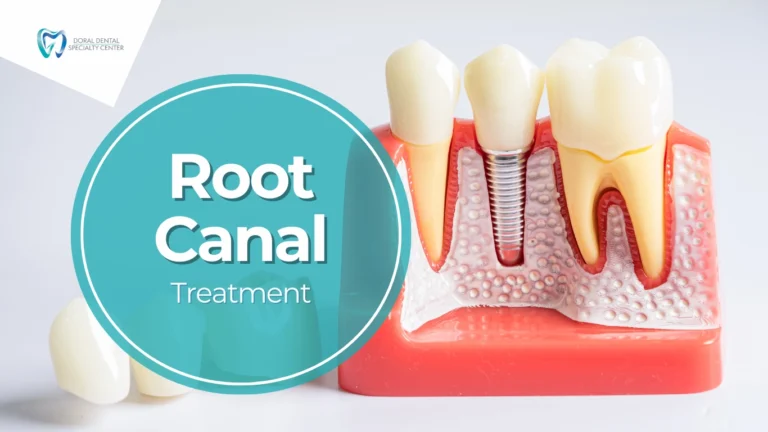
When infection reaches the dental pulp, root canal treatment may be recommended to save the tooth and eliminate pain.
Modern root canal procedures are designed to be comfortable and highly effective.
Dental Crowns
Crowns are frequently used to restore teeth that have suffered significant structural damage.
They provide strength, protection, and natural-looking results.
Tooth Extractions
In cases where a tooth cannot be preserved, extraction may be the most appropriate solution.
Dentists always evaluate conservative treatment options before recommending removal.
Infection Management
Treatment for dental infections may include drainage procedures, cleaning, and other interventions designed to eliminate the source of infection.
Preventing Future Dental Emergencies
While not all emergencies can be prevented, many can be avoided through proactive care.
Routine Dental Visits
Regular examinations help identify potential problems before they become emergencies.
Early detection often leads to simpler and less invasive treatment.
Wearing Mouthguards
Athletes and individuals involved in contact sports should wear properly fitted mouthguards to reduce the risk of dental injuries.
Addressing Teeth Grinding
Chronic grinding can weaken teeth and increase fracture risk.
Custom night guards may help protect teeth from excessive wear.
Maintaining Good Oral Hygiene
Healthy teeth and gums are generally more resistant to infection, decay, and other issues that can trigger emergency situations.
Choosing a Trusted Emergency Dentist in Doral
When facing a dental emergency, patients often look for a provider who combines experience, advanced technology, and compassionate care.
Doral Dental Specialty Center serves patients throughout the Doral area by providing comprehensive dental services designed to address urgent concerns and support long-term oral health. Having a trusted local dental team can provide peace of mind when unexpected situations arise.
Whether you’re dealing with severe discomfort, a damaged tooth, or a sudden oral injury, obtaining prompt professional care can help protect your smile and restore comfort quickly.
Why Local Emergency Dental Care Matters
Choosing a local provider offers several advantages.
Patients benefit from:
- Faster access to care
- Familiarity with the community
- Convenient follow-up appointments
- Personalized treatment planning
- Ongoing dental support
For residents seeking Emergency Dentistry Doral FL services, having nearby access to professional dental care can significantly reduce stress during urgent situations.
Frequently Asked Questions About Emergency Dentistry Doral FL
What is considered a dental emergency?
A dental emergency includes severe tooth pain, knocked-out teeth, dental abscesses, uncontrolled bleeding, facial swelling, or broken teeth that require immediate professional attention.
Can a severe toothache be treated by an emergency dentist?
Yes. A Tooth Pain Emergency Dentist in Doral, FL can diagnose the source of pain and provide appropriate treatment to relieve discomfort and address the underlying issue.
How quickly should I seek treatment for a knocked-out tooth?
You should seek emergency care immediately. Prompt treatment offers the best chance of saving and reattaching the natural tooth.
Can a broken tooth be repaired?
In many cases, yes. Broken Tooth Repair in Doral, FL may involve bonding, crowns, veneers, or other restorative procedures depending on the extent of the damage.
Is facial swelling a dental emergency?
Yes. Facial swelling may indicate infection and should be evaluated promptly by a dental professional.
What should I do if a crown falls off?
Keep the crown if possible, avoid chewing on the affected tooth, and contact your dentist as soon as possible for evaluation and replacement.
Recent Posts
- Bone Grafting for Dental Implants Cost: What You Need to Know Before Implant Treatment
- General Dentistry in Doral FL: Complete Guide to Preventive Dental Care
- Emergency Dentistry Doral FL: Where Can You Get Fast Help for a Dental Emergency?
- Dental Implants Cost: What Should You Expect to Pay?
- How to Choose the Best Cosmetic Dentist Doral FL for Your Smile Makeover