
Dental Implants Cost: What Should You Expect to Pay?
Dental implants have become one of the most popular and effective solutions for replacing missing teeth. If you are researching dental implants cost, you are likely trying to understand what influences pricing, whether implants are worth the investment, and how to make the best decision for your oral health.
The cost of dental implants can vary significantly depending on several factors, including the number of implants needed, the complexity of the procedure, the materials used, and any preparatory treatments required before implant placement. While implants may have a higher upfront cost compared to other tooth replacement options, many patients consider them a valuable long-term investment because of their durability, functionality, and natural appearance.
In this guide, we’ll explore everything you need to know about dental implant costs, what affects pricing, financing options, and why implants are often considered the gold standard in tooth replacement.
What Are Dental Implants?
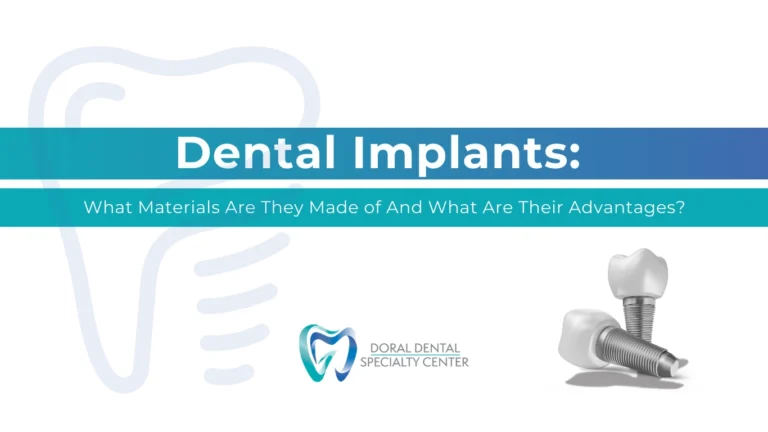
Dental implants are artificial tooth roots typically made of biocompatible titanium. They are surgically placed into the jawbone, where they integrate with the surrounding bone through a process called osseointegration.
Once the implant has fused with the jawbone, a connector known as an abutment is attached, followed by a custom-made dental crown that looks and functions like a natural tooth.
A complete dental implant system generally consists of:
- The implant post
- The abutment
- The dental crown
Together, these components create a stable and long-lasting replacement for a missing tooth.
Why Are Dental Implants So Popular?
Patients often choose dental implants because they provide benefits that other restorative options cannot match.
Some advantages include:
- Natural appearance
- Improved chewing ability
- Better speech
- Long-term durability
- Prevention of bone loss
- Preservation of neighboring teeth
- Increased confidence
Unlike removable dentures, implants remain securely anchored in the jawbone, allowing patients to eat, speak, and smile comfortably.
How Much Does Dental Implants Cost?
One of the most common questions patients ask is, “How much do dental implants cost?”
The answer depends on the specific needs of each patient.
Several elements contribute to the overall treatment cost, including:
Initial Consultation and Diagnostic Imaging
Before treatment begins, a dentist performs a comprehensive examination. This often includes:
- Oral evaluation
- Digital X-rays
- 3D CBCT scans
- Treatment planning
Advanced imaging helps determine bone density, implant placement locations, and whether additional procedures are needed.
Implant Placement Surgery
The surgical placement of the implant is one of the primary components of the overall cost. The procedure requires specialized training, advanced technology, and careful planning to achieve optimal results.
Abutment and Crown
After the implant integrates with the bone, the restoration process begins.
The final restoration includes:
- Custom abutment
- Porcelain or ceramic crown
These components are individually designed to match the patient’s natural teeth for optimal aesthetics and functionality.
Number of Implants Needed
A patient missing a single tooth may only require one implant. Others who have multiple missing teeth may need:
- Multiple implants
- Implant-supported bridges
- Full-arch implant restorations
As the number of implants increases, the overall treatment investment may also increase.
Factors That Affect Dental Implants Cost
Understanding the variables involved can help patients make informed decisions.
Bone Grafting Requirements
Not every patient has sufficient jawbone density to support implants immediately.
If bone loss has occurred, a bone graft may be necessary before implant placement.
Bone grafting helps:
- Restore jawbone volume
- Improve implant stability
- Increase long-term success rates
Additional procedures like bone grafting can influence the overall cost and treatment timeline.
Tooth Extractions
If a damaged or failing tooth remains in place, extraction may be required before implant treatment can begin.
The complexity of the extraction can impact treatment planning and overall expenses.
Sinus Lift Procedures
Patients seeking implants in the upper back jaw occasionally require a sinus lift procedure when bone volume is insufficient.
This procedure creates additional space for bone development and future implant placement.
Geographic Location
Dental implant costs can vary depending on regional economic factors and local operating expenses.
For example, treatment costs in metropolitan areas may differ from those in smaller communities due to variations in facility expenses, technology investments, and market demand.
Dentist Experience and Technology
Experienced implant providers often invest heavily in advanced technology, continuing education, and modern treatment techniques.
These investments can contribute to improved precision, safety, and patient outcomes.
Are Dental Implants Worth the Cost?
Many patients wonder whether implants justify the investment compared to alternatives such as bridges or dentures.
The answer often depends on long-term value rather than short-term expense.
Longevity
Traditional bridges and dentures may require periodic replacement over time.
Dental implants, when properly maintained, can last for decades and often provide exceptional long-term performance.
Bone Preservation
One of the most important benefits of implants is their ability to stimulate the jawbone.
When a tooth is lost, the surrounding bone begins to shrink because it no longer receives stimulation from chewing forces.
Dental implants help preserve bone structure and facial appearance by mimicking natural tooth roots.
Quality of Life Improvements
Many patients report significant improvements in:
- Confidence
- Comfort
- Speech
- Eating ability
- Overall quality of life
These benefits often make implants a valuable investment for individuals seeking a permanent tooth replacement solution.
Insurance Coverage for Dental Implants
Dental insurance policies vary significantly regarding implant coverage.
Some plans may help cover portions of treatment, including:
- Diagnostic exams
- Imaging
- Extractions
- Crowns
Others may offer limited or no coverage for implant surgery itself.
Patients should review their individual insurance benefits carefully and discuss coverage details with their dental provider.
Financing Options for Dental Implants
Because implant treatment is a significant investment, many dental practices offer financing solutions to make care more accessible.
Common options include:
Monthly Payment Plans
Many patients prefer structured monthly payments that fit their budgets.
Healthcare Financing Programs
Third-party healthcare financing companies often provide flexible payment arrangements for qualified applicants.
Flexible Spending Accounts (FSA)
Patients may use pre-tax dollars through FSAs to help pay for eligible dental procedures.
Health Savings Accounts (HSA)
HSAs can also be used to cover qualifying dental expenses, including implant treatment in many situations.
What Is the Dental Implant Process?
Understanding the treatment timeline helps patients prepare for the journey.
Consultation and Evaluation
The process begins with a detailed examination and personalized treatment plan.
The dentist evaluates:
- Oral health
- Bone density
- Gum condition
- Medical history
Preparatory Procedures
If needed, procedures such as:
- Extractions
- Bone grafting
- Sinus augmentation
may be completed before implant placement.
Implant Surgery
The implant is surgically inserted into the jawbone under local anesthesia or sedation when appropriate.
Healing Period
Over the following months, the implant fuses with the surrounding bone.
This integration phase is critical to long-term success.
Final Restoration
Once healing is complete, the custom crown, bridge, or denture is attached to the implant.
The result is a restoration designed to look and function like a natural tooth.
Who Is a Good Candidate for Dental Implants?
Many adults with missing teeth may qualify for dental implant treatment.
Ideal candidates generally have:
- Healthy gums
- Adequate bone density
- Good overall health
- Commitment to oral hygiene
Even patients with bone loss may still be candidates after receiving preparatory procedures.
A comprehensive evaluation is necessary to determine eligibility.
How to Maintain Dental Implants
Proper maintenance is essential for protecting your investment.
Recommended care includes:
Daily Oral Hygiene
Brush twice daily and floss regularly to prevent plaque buildup around implants.
Routine Dental Visits
Regular professional cleanings and examinations help ensure implants remain healthy and functional.
Avoid Tobacco Products
Smoking can negatively impact healing and increase the risk of implant complications.
Wear Protective Appliances When Needed
Patients who grind their teeth may benefit from custom night guards to protect implant restorations.
Why Choose Professional Implant Care?
Choosing an experienced dental team is one of the most important factors in achieving successful implant outcomes.
At Doral Dental Specialty Center, patients receive personalized treatment planning, advanced diagnostic technology, and comprehensive restorative care designed to support long-term oral health.
Whether replacing a single tooth or restoring multiple missing teeth, a customized approach can help patients achieve functional and aesthetic results that last for years.
Frequently Asked Questions About Dental Implants Cost
How much does a single dental implant typically cost?
The total cost varies based on factors such as location, materials, imaging, surgical complexity, and whether additional procedures are required. A consultation is the best way to receive an accurate estimate.
Does insurance cover dental implants?
Some dental insurance plans provide partial coverage for implant-related procedures, while others may have limitations. Coverage varies by provider and policy.
Are dental implants more expensive than bridges?
The initial investment for implants is often higher than traditional bridges. However, implants may offer greater longevity and long-term value.
Can I finance dental implant treatment?
Many dental offices provide financing options, monthly payment plans, and partnerships with healthcare financing companies.
How long do dental implants last?
With proper care and regular dental visits, dental implants can last for decades and may provide a lifetime solution for some patients.
Is bone grafting always required before implants?
No. Bone grafting is only necessary when the jawbone lacks sufficient density or volume to support implant placement.
Conclusion
Understanding dental implants cost involves more than looking at a single number. Every patient’s treatment plan is unique, and several factors influence the overall investment. While implants may require a larger upfront commitment than other tooth replacement options, their durability, functionality, and ability to preserve oral health often make them an excellent long-term solution.
If you are considering dental implants and would like a personalized evaluation, the team at Doral Dental Specialty Center can help you explore your options and create a treatment plan tailored to your needs.
Visit Doral Dental Specialty Center at 7902 NW 36th St Suite 212, Doral, FL 33166, or call (305) 477-7655 to schedule a consultation and learn whether dental implants are the right choice for your smile.
Recent Posts
- Tooth Extractions in Doral, FL: What to Know
- Invisalign Before and After: What to Expect
- Bone Grafting for Dental Implants Cost: What You Need to Know Before Implant Treatment
- General Dentistry in Doral FL: Complete Guide to Preventive Dental Care
- Emergency Dentistry Doral FL: Where Can You Get Fast Help for a Dental Emergency?