
Tooth Extractions in Doral, FL: What to Know
Tooth Extractions in Doral, FL: When Are They Needed?
When a tooth is severely damaged, infected, crowded, or otherwise unable to be restored, extraction may be recommended to protect overall oral health. Understanding tooth extractions in Doral, FL can help patients recognize when professional dental care is necessary and what to expect from the procedure.
Tooth extraction is the removal of a tooth from its socket in the jawbone. Although dentists generally aim to preserve natural teeth whenever possible, there are situations where removing a tooth may be the safest or most appropriate treatment. The decision should be based on a comprehensive dental examination, the condition of the tooth, surrounding tissues, and the patient’s overall oral health.
For patients looking for dental care in Doral, Doral Dental Specialty Center provides professional dental evaluations and treatment options at 7902 NW 36th St Suite 212, Doral, FL 33166. If you are experiencing severe tooth pain, swelling, a broken tooth, or another urgent dental concern, contacting a dental office promptly can help determine the appropriate next step.
What Are Tooth Extractions in Doral, FL?
Tooth extractions in Doral, FL involve the professional removal of a tooth when keeping it in place is no longer advisable or predictable. Depending on the condition and position of the tooth, an extraction may be relatively straightforward or may require a surgical approach.
A dentist first evaluates the tooth and surrounding structures. This may involve a clinical examination and dental X-rays when appropriate. The purpose is to understand the extent of damage, identify infection or bone concerns, and determine the safest way to proceed.
Extraction does not automatically mean that the tooth could never have been saved. In some cases, treatments such as a filling, crown, root canal therapy, or periodontal treatment may be considered first. However, when the tooth is too damaged or compromised for predictable restoration, removal may be recommended.
When Is a Tooth Extraction Necessary?
The need for extraction depends on the individual situation. Several dental conditions can make removal appropriate.
Severe Tooth Decay
A tooth with extensive decay may lose too much healthy structure to support a restoration. If there is insufficient tooth structure remaining, placing a filling or crown may not provide a predictable long-term solution.
For example, a tooth that has been affected by deep decay may fracture below the gumline. If the remaining structure cannot adequately support restoration, extraction may be considered.
Advanced Tooth Damage
Trauma, fractures, and other forms of structural damage can sometimes compromise a tooth beyond repair. A cracked tooth does not always require extraction, but certain fractures can make preservation difficult or impossible.
A dental examination helps determine whether the tooth can be restored or whether removal is a safer option.
Dental Infection
A severely infected tooth can cause significant pain, sensitivity, swelling, or other symptoms. Depending on the circumstances, root canal treatment may be considered to remove infected tissue while preserving the natural tooth.
If the tooth cannot be predictably treated or restored, extraction may be recommended.
Crowding
In some orthodontic cases, tooth removal may be part of a broader treatment plan. The goal is not simply to remove a tooth but to create space that allows the remaining teeth to align appropriately.
Extractions for orthodontic purposes should only be performed after careful treatment planning.
Impacted Wisdom Teeth
Wisdom teeth may not erupt normally because there is insufficient space or because the tooth is positioned at an unfavorable angle. Impacted wisdom teeth can sometimes contribute to pain, inflammation, infection, damage to nearby teeth, or other dental concerns.
Depending on the position of the wisdom tooth, removal may require a surgical extraction.
Emergency Tooth Extraction in Doral, FL: When Is It Needed?
Emergency dental problems can develop suddenly. Severe tooth pain, facial swelling, dental trauma, or a broken tooth may require prompt evaluation.
Emergency Tooth Extraction in Doral, FL may be considered when a tooth is causing acute problems and cannot be predictably preserved. However, not every dental emergency requires extraction.
For example, a tooth that is painful because of an infection may sometimes be treated with root canal therapy instead of removal. A fractured tooth may be repairable with a restoration depending on the location and severity of the fracture.
The priority during an urgent dental visit is to identify the cause of the problem and determine the most appropriate treatment.
If swelling is rapidly increasing, extends toward the face or neck, or is accompanied by difficulty breathing or swallowing, urgent medical attention may be necessary because these symptoms can indicate a potentially serious infection.
Can You Get a Same-Day Tooth Extraction in Doral, FL?
Same-Day Tooth Extraction in Doral, FL may be possible in certain situations, depending on the dental examination, the condition of the tooth, the patient’s health history, and the office’s clinical availability.
Same-day care does not mean that every tooth can or should be removed immediately. A dentist must first determine whether extraction is appropriate and whether additional diagnostic information is needed.
A patient who arrives with severe pain from a badly damaged tooth may be evaluated during the visit. If extraction is clinically appropriate and the circumstances allow, treatment may be performed during the same appointment.
In other situations, treatment may need to be scheduled separately, especially when a more complex surgical extraction, specialist evaluation, or additional preparation is required.
What Happens Before a Tooth Extraction?
The process begins with an evaluation. The dentist examines the affected tooth and asks about symptoms, medical history, medications, allergies, and previous dental treatment.
Dental imaging may be used to evaluate the tooth’s roots, surrounding bone, and relationship to nearby structures. This information is particularly important for teeth with unusual root shapes, impacted wisdom teeth, or other complex anatomy.
The dentist then discusses the treatment options. If saving the tooth is realistic, alternatives may be presented. If extraction is recommended, the dentist explains what type of extraction is appropriate and what the patient should expect during recovery.
This consultation is important because tooth removal is a clinical decision rather than a treatment that should be based only on pain or appearance.
What Happens During a Tooth Extraction?
The extraction technique depends on the tooth’s condition and position.
For a simple extraction, the dentist typically uses local anesthesia to numb the area. Specialized dental instruments are then used to loosen and remove the tooth.
A surgical extraction may be required when the tooth is impacted, broken below the gumline, or otherwise difficult to access. In these cases, the dentist may need to make an incision in the gum or divide the tooth into sections to facilitate removal.
The specific technique is selected to minimize unnecessary trauma to the surrounding tissues.
Patients should discuss anesthesia and any concerns about the procedure with the dental team before treatment.
Does Tooth Extraction Hurt?
During an extraction, local anesthesia is used to numb the treatment area. Patients should generally expect pressure or movement rather than sharp pain during the procedure.
After the anesthesia wears off, some soreness or discomfort is common. The amount of discomfort varies depending on the complexity of the extraction, the patient’s individual response, and whether the tooth was removed because of an infection or other condition.
Following the dentist’s aftercare instructions can support a smoother recovery.
If pain becomes significantly worse rather than gradually improving, or if it is accompanied by increasing swelling, fever, persistent bleeding, or another concerning symptom, the dental office should be contacted for further evaluation.
What Is Recovery Like After a Tooth Extraction?
Recovery varies from patient to patient. Immediately after the extraction, a blood clot forms in the socket. Protecting this clot is an important part of the healing process.
The dentist may recommend specific instructions regarding eating, brushing, physical activity, medications, and oral hygiene.
During the first part of recovery, patients may be advised to choose softer foods and avoid activities that could disturb the extraction site.
The gum tissue gradually heals, while deeper bone remodeling takes longer. The complete healing process therefore continues beyond the point at which the patient feels comfortable.
Protecting the Extraction Site
Patients should avoid actions that can interfere with clot formation or healing. Depending on the provider’s instructions, this may include avoiding vigorous rinsing, forceful spitting, smoking, or using straws during the early recovery period.
The exact recommendations should come from the dental professional who performed the extraction because aftercare can vary based on the procedure.
What Can You Eat After a Tooth Extraction?
Immediately after an extraction, softer foods are often easier to tolerate. Examples may include yogurt, applesauce, mashed vegetables, eggs, smoothies consumed without a straw, and other foods that require minimal chewing.
As healing progresses, patients can generally return gradually to their usual diet according to their comfort and dental provider’s instructions.
It is also important to avoid very hot foods or beverages immediately after the procedure while the mouth remains numb, since reduced sensation can increase the risk of accidental burns.
How Long Does It Take to Heal After an Extraction?
Healing time varies depending on the tooth, extraction technique, patient’s health, and other factors.
The soft tissue may begin healing relatively quickly, but the extraction socket and underlying bone require more time to remodel. Wisdom tooth surgery or a more complicated extraction can require a longer recovery than a straightforward extraction.
Patients should follow their individual post-operative instructions rather than relying on a fixed timeline found online.
A follow-up appointment may be recommended depending on the procedure and the patient’s circumstances.
What Are the Possible Complications of Tooth Extraction?
Tooth extraction is a common dental procedure, but complications can occur.
Possible concerns include prolonged bleeding, infection, swelling, discomfort, or delayed healing. A condition known as dry socket can occur when the blood clot is lost or breaks down prematurely, exposing the underlying area.
The risk of complications can vary based on the type of extraction and individual circumstances.
Contact your dental office if you experience symptoms that are unusual for your recovery, particularly severe or worsening pain, persistent bleeding, increasing swelling, fever, or other signs of infection.
What Happens If You Do Not Replace an Extracted Tooth?
Removing a tooth may resolve an immediate dental problem, but the long-term consequences of tooth loss should also be considered.
Depending on the location of the missing tooth, leaving the space untreated can affect chewing, tooth positioning, and the appearance of the smile. Nearby teeth may gradually shift into the open space.
For this reason, a dentist may discuss replacement options such as a dental implant, bridge, or removable partial denture when appropriate.
The ideal replacement depends on the patient’s oral health, bone condition, number of missing teeth, budget, and treatment objectives.
Tooth Extraction and Dental Implants
For patients considering dental implants, treatment planning may begin before or around the time of extraction.
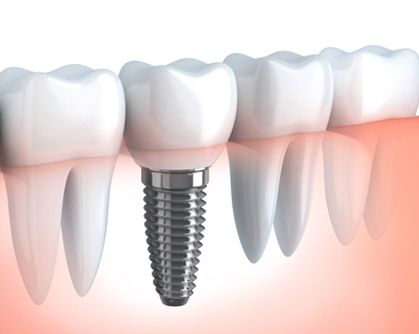
A dental implant replaces the root portion of a missing tooth and can support a dental crown. However, implant treatment is not appropriate for every patient immediately after extraction. The condition of the bone and gums, infection status, overall oral health, and other factors must be evaluated.
In some situations, bone grafting may be recommended to help support future implant treatment.
Planning tooth replacement early can help patients understand the full treatment process rather than treating the extraction as an isolated procedure.
Tooth Extractions for Children and Adults
Tooth extraction can be performed for patients of different ages when clinically necessary.
In children, extraction may sometimes be recommended for severely damaged primary teeth, certain orthodontic situations, or other dental concerns. The timing is important because primary teeth play a role in maintaining space for permanent teeth.
Adults may require extraction because of decay, fractures, infection, periodontal concerns, wisdom teeth, or other conditions.
Because the reasons for extraction vary significantly by age and situation, individualized evaluation is essential.
How Much Do Tooth Extractions Cost in Doral, FL?
The cost of a tooth extraction can vary based on factors such as the type of extraction, tooth location, complexity, diagnostic needs, anesthesia, and whether additional treatment is required.
A simple extraction and a surgical extraction generally involve different levels of complexity. Wisdom tooth removal may also have different considerations depending on whether the tooth is fully erupted, partially impacted, or completely impacted.
The most reliable way to understand the expected cost is to have the tooth evaluated and receive a treatment plan based on the specific situation.
Patients should also ask whether dental insurance benefits apply and what additional treatments may be recommended after extraction.
Why Professional Evaluation Matters
Searching for tooth extractions near Doral can provide information about procedures, but online content cannot determine whether extraction is right for a specific tooth.
For example, severe tooth pain does not automatically mean the tooth must be removed. A damaged or infected tooth may sometimes be preserved through restorative or endodontic treatment.
Conversely, delaying treatment for a tooth that cannot be saved may allow infection, pain, or structural damage to progress.
A professional evaluation helps identify the source of the problem and compare reasonable treatment options.
Doral Dental Specialty Center can provide an evaluation for patients seeking dental care in Doral. The office is located at 7902 NW 36th St Suite 212, Doral, FL 33166, making it a local option for patients who need to discuss tooth pain, damaged teeth, extraction, or possible replacement options.
Frequently Asked Questions About Tooth Extractions in Doral, FL
1. When is a tooth extraction necessary?
A tooth extraction may be recommended when a tooth is severely decayed, fractured, infected, impacted, or otherwise cannot be predictably restored. A dental examination is necessary to determine whether extraction or tooth-preserving treatment is appropriate.
2. Can I get an emergency tooth extraction in Doral, FL?
An emergency extraction may be considered when a severely damaged or infected tooth cannot be preserved and requires prompt treatment. However, emergency dental pain does not automatically mean extraction is necessary. A dentist should first determine the cause and appropriate treatment.
3. Is same-day tooth extraction available in Doral?
Same-Day Tooth Extraction in Doral, FL may be possible in appropriate cases, depending on the dental findings, procedure complexity, patient’s health history, and clinical availability. An evaluation is required before treatment.
4. How long does it take to recover from a tooth extraction?
Recovery varies according to the tooth, extraction technique, and individual healing response. Gum healing begins relatively quickly, while deeper bone remodeling takes longer. Your dentist can provide more specific aftercare instructions for your procedure.
5. What should I eat after a tooth extraction?
Soft foods are generally easier to eat during the early recovery period. Yogurt, eggs, applesauce, mashed foods, and other soft options may be suitable. Follow the specific dietary instructions provided by your dental professional.
6. What should I do after a tooth is extracted?
Follow the dental team’s instructions regarding bleeding control, oral hygiene, food, physical activity, medications, and protection of the extraction site. Contact the dental office if you develop severe or worsening pain, persistent bleeding, increasing swelling, fever, or other concerning symptoms.
Schedule a Tooth Extraction Evaluation in Doral
If you have persistent tooth pain, a badly damaged tooth, swelling, or another dental concern, professional evaluation can help determine whether extraction is necessary and what alternatives may be available.
Doral Dental Specialty Center offers dental care in Doral, FL and can evaluate your individual situation before recommending treatment. The office is located at 7902 NW 36th St Suite 212, Doral, FL 33166.
To discuss tooth extractions, emergency dental concerns, or possible tooth replacement options, call Doral Dental Specialty Center at (305) 477-7655.
Recent Posts
- Tooth Extractions in Doral, FL: What to Know
- Invisalign Before and After: What to Expect
- Bone Grafting for Dental Implants Cost: What You Need to Know Before Implant Treatment
- General Dentistry in Doral FL: Complete Guide to Preventive Dental Care
- Emergency Dentistry Doral FL: Where Can You Get Fast Help for a Dental Emergency?